
Showing 1–16 of 129 results
Peptides for Research
-


2X Blend: Tesamorelin 10mg + Ipamorelin 2mg
$ 65.00 Read More-+
AOD 9604 5mg
$ 50.00 Read More-+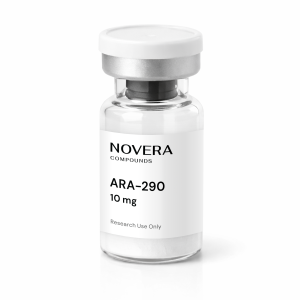
ARA-290 10mg
$ 72.00 Read More-+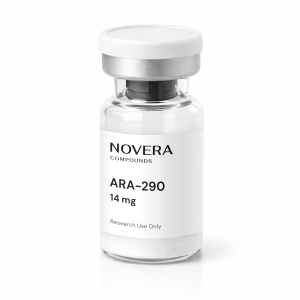
ARA-290 14mg
$ 90.00 Read More-+
BDNF (Brain-derived neurotrophic factor) 10mg
$ 194.00 Read More-+
BPC-157 10mg
$ 76.00 Read More-+
BPC-157 20mg
$ 123.00 Read More-+
BPC-157 30 Tablets 500mcg
$ 69.00 Read More-+
Cagrilintide 10mg
$ 226.00 Read More-+
Cagrilintide 5mg + Semaglutide 5mg
$ 119.00 Read More-+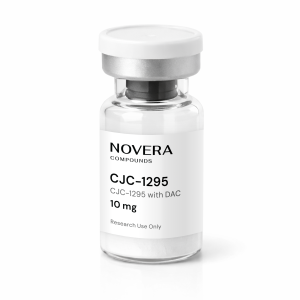
CJC-1295 – With DAC 10mg
$ 108.00 Read More-+
CJC-1295 without DAC 5mg + IPA 5mg
$ 81.00 Read More-+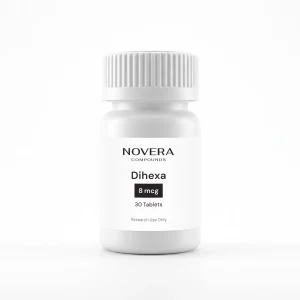
Dihexa 30 Tablets 8mg
$ 96.00 Read More-+
DSIP 5mg
$ 47.00 Read More-+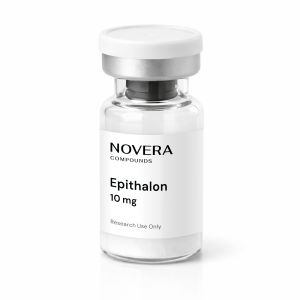
Epithalon 10mg
$ 38.00 Read More-+
Epithalon 50mg
$ 218.00 Read More-+Research Peptides for Laboratory Use
Research peptides are examined in laboratory and preclinical settings where scientists study biological signaling, system regulation, and cellular behavior. These compounds are explored for how they relate to metabolism, recovery, cognition, immune balance, aging processes, and organ-level coordination under controlled research conditions.
Researchers use peptides as tools to better understand how complex biological systems communicate, adapt, and maintain stability over time.
Common areas of interest in research peptide studies, pending scientific confirmation, include:
-
Deeper insight into biological communication
Exploring how short amino-acid chains influence signaling pathways.
-
Understanding system-level balance and regulation
Studying how physiological systems maintain stability or respond to stress.
-
Improved clarity in experimental research models
Using peptides to isolate and observe specific biological processes.
For information on how to buy research peptides, Maylips can provide guidance on availability and ordering.
What Are Peptides for Research?
Peptides for research are short chains of amino acids used exclusively in laboratory and preclinical investigations. They are not approved drugs or therapies and are studied to better understand how biological pathways function, interact, and respond under defined conditions.
If scientific research confirms, research peptides could aid in:
-
Exploration of targeted biological pathways
Examining how specific signals influence overall system behavior.
-
Development of structured research frameworks
Creating repeatable models for studying complex biological interactions.
-
Observation of system-wide coordination
Understanding how multiple pathways align or respond during stress.
Brain, Cognitive & Nootropic Peptides
Brain, cognitive, and nootropic peptides are studied for how they relate to mental clarity, focus, stress response, and long-term brain stability.
If scientific research confirms, these peptides could aid in:
-
Consistency in cognitive performance
Studying steadier focus and mental clarity.
-
Balance between mental effort and recovery
Exploring regulation of stress and sleep-related processes.
-
Long-term resilience of brain function
Examining stability of cognitive systems over time.
Weight Loss & Metabolic Peptides
Weight loss and metabolic peptides are studied for how they relate to fat utilization, appetite signaling, and metabolic steadiness.
If scientific research confirms, these peptides could aid in:
-
Patterns related to weight regulation
Exploring steadier weight-related behavior.
-
Alignment between intake and energy use
Studying predictable metabolic responses to food.
-
Consistency during lifestyle adjustments
Examining stability during dietary or routine changes.
Muscle Growth & Performance Peptides
Muscle growth and performance peptides are studied for how they relate to muscle signaling, recovery, and physical output.
If scientific research confirms, these peptides could aid in:
-
Muscle development and adaptation signaling
Exploring response to repeated physical stress.
-
Recovery between demanding activity periods
Studying readiness between intense training days.
-
Consistency in strength and performance
Examining steadier physical capability.
Healing & Regenerative Peptides
Healing and regenerative peptides are studied for how they relate to tissue repair, recovery, and restoration following strain or injury.
If scientific research confirms, these peptides could aid in:
-
Tissue and wound recovery processes
Studying healing after physical damage.
-
Recovery across repeated stress cycles
Exploring healing between active periods.
-
Restoration of physical balance
Examining return to baseline function.
Organ-Specific & Bioregulator Peptides
Organ-specific and bioregulator peptides are studied for how they relate to targeted organ balance and internal regulation.
If scientific research confirms, these peptides could aid in:
-
Organ-level functional stability
Studying consistency within specific systems.
-
Coordination between related organs
Exploring aligned signaling across systems.
-
Maintenance of routine function over time
Examining baseline stability.
Longevity & Anti-Aging Peptides
Longevity and anti-aging peptides are studied for how they relate to aging patterns, cellular stability, and long-term resilience.
If scientific research confirms, these peptides could aid in:
-
Gradual aging consistency
Studying smoother long-term change.
-
Preservation of baseline function
Exploring stability across aging processes.
-
System-wide resilience over time
Examining balance at both cellular and systemic levels.
Immune & Thymic Peptides
Immune and thymic peptides are studied for how they relate to immune balance, readiness, and defense signaling.
If scientific research confirms, these peptides could aid in:
-
Consistency in immune response
Studying steadier immune behavior.
-
Regulation within immune pathways
Exploring thymic and immune coordination.
-
Stability during immune demand
Examining recovery following immune stress.
Sexual Health & Hormonal Peptides
Sexual health and hormonal peptides are studied for how they relate to hormonal signaling and reproductive system balance.
If scientific research confirms, these peptides could aid in:
-
Hormonal coordination and stability
Studying consistent signaling patterns.
-
Balance in sexual health processes
Exploring regulation of sexual function.
-
Long-term reproductive consistenc
Examining system stability over time.
Aesthetic & Cosmetic Peptides
Aesthetic and cosmetic peptides are studied for how they relate to skin appearance, texture, and visible characteristics.
If scientific research confirms, these peptides could aid in:
-
Skin tone and pigmentation patterns
Studying evenness of appearance.
-
Surface texture and fine lines
Exploring changes in smoothness.
-
Consistency of cosmetic appearance
Examining stability over time.
Research & Oncology Peptides
Research and oncology peptides are studied exclusively in laboratory and preclinical environments focused on cancer-related cellular behavior.
If scientific research confirms, these peptides could aid in:
-
Cancer cell signaling research
Studying abnormal cellular communication.
-
Tumor-focused research models
Exploring cancer-specific pathways.
-
Experimental oncology frameworks
Developing controlled research systems.
Ordering Research Peptides Online
All peptides referenced on this site are intended exclusively for laboratory and research purposes.
They are not approved for human use, medical treatment, or self-administration. Any references to potential outcomes reflect areas of ongoing scientific research and are not claims of efficacy.
Maylips customer service representatives can provide guidance on how to safely order research peptides for laboratory use online.